The Golden Glow of Late Summer

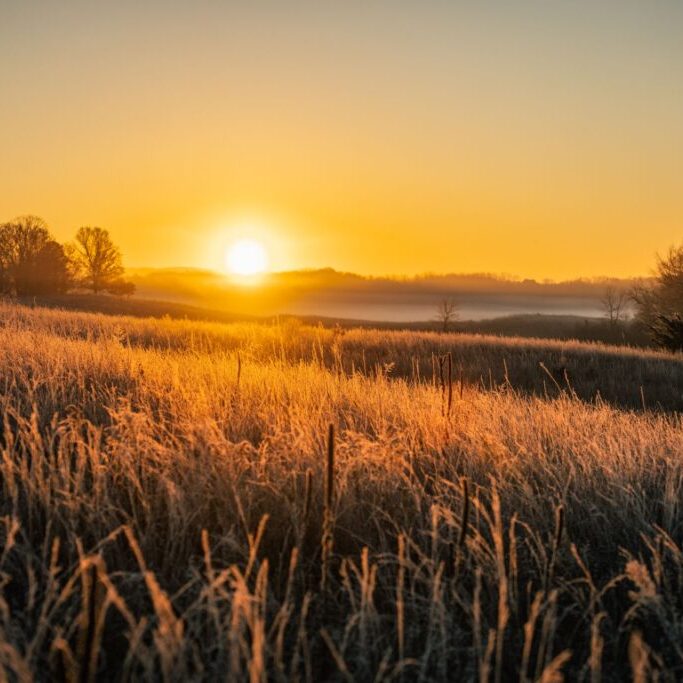
Mid-August is upon us and with it the local fields are golden with ripening grains. The abundance of fruit and summer squashes mature on the vine as cool evenings and earlier sunsets turn our thoughts to the coming autumn. Late summer has arrived.
In the 5-element perspective of Traditional Chinese Medicine, late summer is the shortest season, a period lasting only a few weeks. But it has it’s own unique qualities and associations distinct from true summer: the color yellow, the element of Earth, and the upper digestive tract. The season’s gold and the harvest of grains are also celebrated in the traditional Celtic festivals of Lammas and Lughnasadh.
Grains have a long history of inclusion in our diet. The community nourishment of breaking bread together, and traditional recipes for periods of convalescence, such as congee or stewed oats, are some examples. But a quick google search may convince you that grains are a hotbed of ill health, whether it’s from gluten, lectins, agricultural residues, genetic modification, or consumption of highly refined carbohydrates. It can be hard to know whether or not grains are a welcome addition to our diet, so let’s honor these seasonal influences by exploring the topic of grains and their effects on our digestion.
You have probably heard of gluten, a protein found in wheat, rye, and barley. You may also have heard of leaky gut syndrome. The truly allergic or gluten intolerant have a stronger response, but gluten does affect all of us. Zonulin, the protein that holds the cells of our digestive tract together, is deteriorated by gluten. Long fermentation, such as in 24+ hour sourdough, allows natural yeasts and lactic acid bacteria to break down gluten protein, making it better tolerated by many people. However, those with Celiac’s or an allergy should avoid all gluten containing products, including long fermented ones.
Other grains, such as brown rice, buckwheat, and corn, are naturally gluten free. And grain-like seeds such as amaranth, quinoa, and buckwheat are also gluten free and generally well tolerated by many. As always, I recommend sourcing organic or regeneratively farmed foods to minimize exposure to agricultural residues and poorly tested genetic modifications. If you are baking, try purchasing whole grains and grinding for your use, or when if you prefer to already ground flours, look for ones labeled unbromated, use within the best-by date, and keep refrigerated or frozen between uses.
Oats deserve a special mention. While they do not contain gluten, they are often processed in proximity with wheat and cross contamination is possible. Molecular mimicry also occurs, where a person’s immune system mistakes oats for a gluten containing grain. Caution is urged for people with Celiac’s or a wheat allergy.
Some people are concerned by the presence of lectins in grains, often referred to as “antinutrients” that block absorption of other nutrients. Soaking grains overnight before cooking can help with breaking down lectins, as well as long cooking methods such as boiling or stewing. Sprouting grains is another method that reduces lectins. It should be mentioned that sprouted grains still need to be cooked or baked. Long soaking, sprouting, and grinding into flour are all traditional methods that prepare grains for easier digestion and better absorbed nutrition.
The decision to consume grains is very personal. Some people feel their best when they avoid grains, and there are plenty of starchy vegetables that help to meet our body’s carbohydrate needs instead. For others, whole grains are a good source of fiber, and can support hormone balancing during the luteal phase. Grains can offer a certain comfort and connection with ancestral traditions long past, as well as honoring the unique gifts of the late summer season.
So, I invite you to join me in my kitchen on this mid August morning. The view through the window looks out at a farmer’s field, and the long strands of ripening grains are glowing golden in the early sun. This pot of buckwheat groats has been soaking overnight. I just turned the heat on and added a little cinnamon, sea salt, and honey from the beehives. What’s that? You brought ripe peaches? Ooh, wonderful, I can smell their fragrance and sweetness from here! Yes, absolutely, let’s cut those up to put on our steaming bowls of buckwheat porridge. And together we can toast the season, and give thanks during this time of harvest and abundance.
Shared with love from your friendly, local medicine keeper,
Alicia Tremblay, ND
Naturopathic Physician | Plant Spirit Medicine Practitioner
This post is offered as general information only. Please make an appointment or see a healthcare practitioner for personalized medical advice.
No copyright stock photo by Tom Fisk provided by Pexels.com

Dr. Tremblay is an expert in natural health with degrees in naturopathic medicine and ethnomedicine. Drawing on her diverse background and personal experience with healing from chronic illness, she guides clients on their health journeys, and occasionally writes blogs with unique insights into natural medicine and the healing process. Read more >>